Leading Parish Transition: The Art and Science of Change

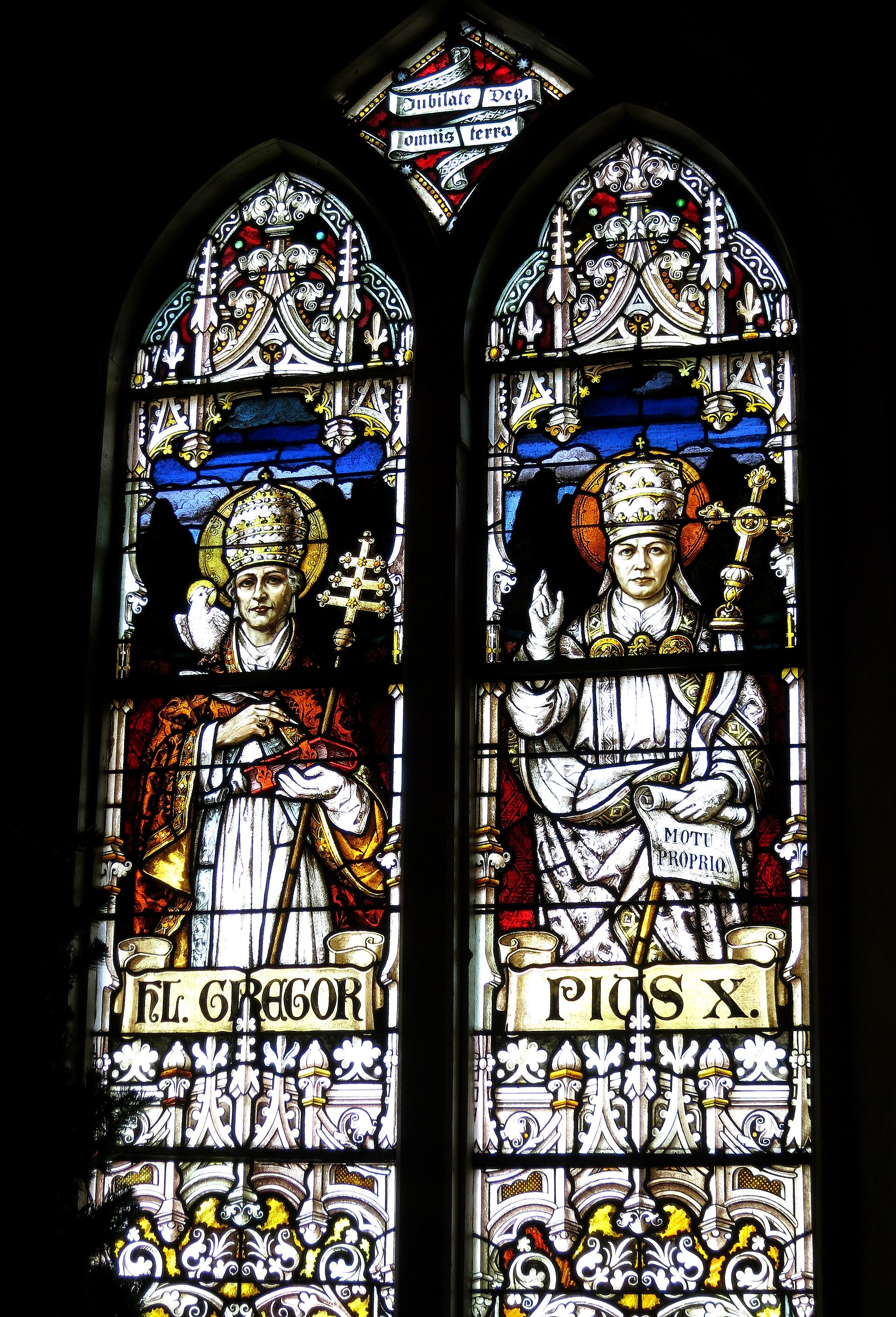
Holy_Family_Catholic_Church_Oldenburg_Indiana_-_stained_glass_loft_Pope_Saints_Gregory_the_Great_and_Pius_X-2.jpg

Navigating Resistance, Building Consensus, and Implementing Sustainable Growth

In a parish, change is never just administrative; it is deeply personal. Whether you are implementing a new strategic plan or simply changing a beloved tradition, the way you lead the transition determines whether the community flourishes or fractures. Most change efforts fail not because the idea was bad, but because the process ignored the human and spiritual reality of the people in the pews.

This course provides a battle-tested framework for managing change in an ecclesial context. We integrate high-level corporate change models (like Kotter’s 8 Steps) with the unique pastoral needs of a Catholic community. You will learn how to identify "early adopters," navigate "gatekeepers," and communicate a vision so compelling that your parish moves from "resisting" change to "owning" it.

This course is an online, self-paced course including the following modules:
  • Module 0 - Course Introduction and Orientation 
  • Module 1 - Foundations of Ecclesial Change & Core Frameworks
  • Module 2 - Diagnostic Tools & Human Resistance
  • Module 3 - Integrating Mission Metrics & Hard Variables into Change
  • Module 4 - Parish Transformation & Transition
  • Module 5 - Parish Turnarounds & Renewal
  • Module 6 - Diocesan Administration, Clergy Transitions & Personnel


Diagnose Your Parish Culture: Identify the "unwritten rules" of your parish that will either support or sabotage your change efforts.
Build a Guiding Coalition: Learn how to recruit and empower a core team of influencers who will champion the change from the inside out.
Communicate the "Why": Craft a narrative of change that honors the parish's past while creating holy urgency for its future.
Manage Emotional Resistance: Use psychological and pastoral tools to help parishioners navigate the grief and anxiety that often accompany institutional shifts.

"I used to think leading change was about having the best argument. Experience showed me it’s about having the best process." 


Fr. Anthony Stoeppel - Vicar General, Pastor, School President & Seminary Vice-Rector

Click HERE for Biography

Associate Professor of Church Management
The Busch School of Business
The Catholic University of America (Washington, DC)

Completion of this course grants a $149 voucher toward our Graduate Certificate or MCA (Masters of Church Administration). Enroll for $149. If you choose to pursue a Graduate Certificate or MCA later, your $149 will be applied as a tuition credit. Most dioceses offer reimbursement for clergy ongoing formation of this kind. Contact your Vicar for Clergy to confirm this course applies to your diocesan policy. 

MCA Ladder

Total Time: 6 Hours

Completion Time: One Afternoon

Time Saved: Hours Every Week

Solve a Problem: Take a self-paced non-credit course.
Stack Your Skills: Earn your Digital Badge and a tuition credit.
Lead the Church: Apply your tuition credits toward a MCA degree.

Change is the only constant in modern ministry. Our Master's in Church Administration dives into advanced Organizational Behavior and Strategic Planning, giving you the expertise to lead your institution through any cultural or structural shift.

MCA Ladder

Is your parish facing financial hardship? We believe no priest should be denied formation due to budget. Click here to apply for a Parish Excellence Grant to your enrollment, or send an email to busch-cmp@cua.edu.

Most dioceses offer reimbursement for clergy ongoing formation of this kind. Contact your Vicar for Clergy to confirm this course applies to your diocesan policy. 
Online, asynchronous through Brightspace at The Catholic University of America.

No in-person or specific course days/times required.

Start and end when you want. 
This course is taught in English. Other languages are available upon request. Please email busch-cmp@cua.edu for more details.
Price: $149.00
Quantity: